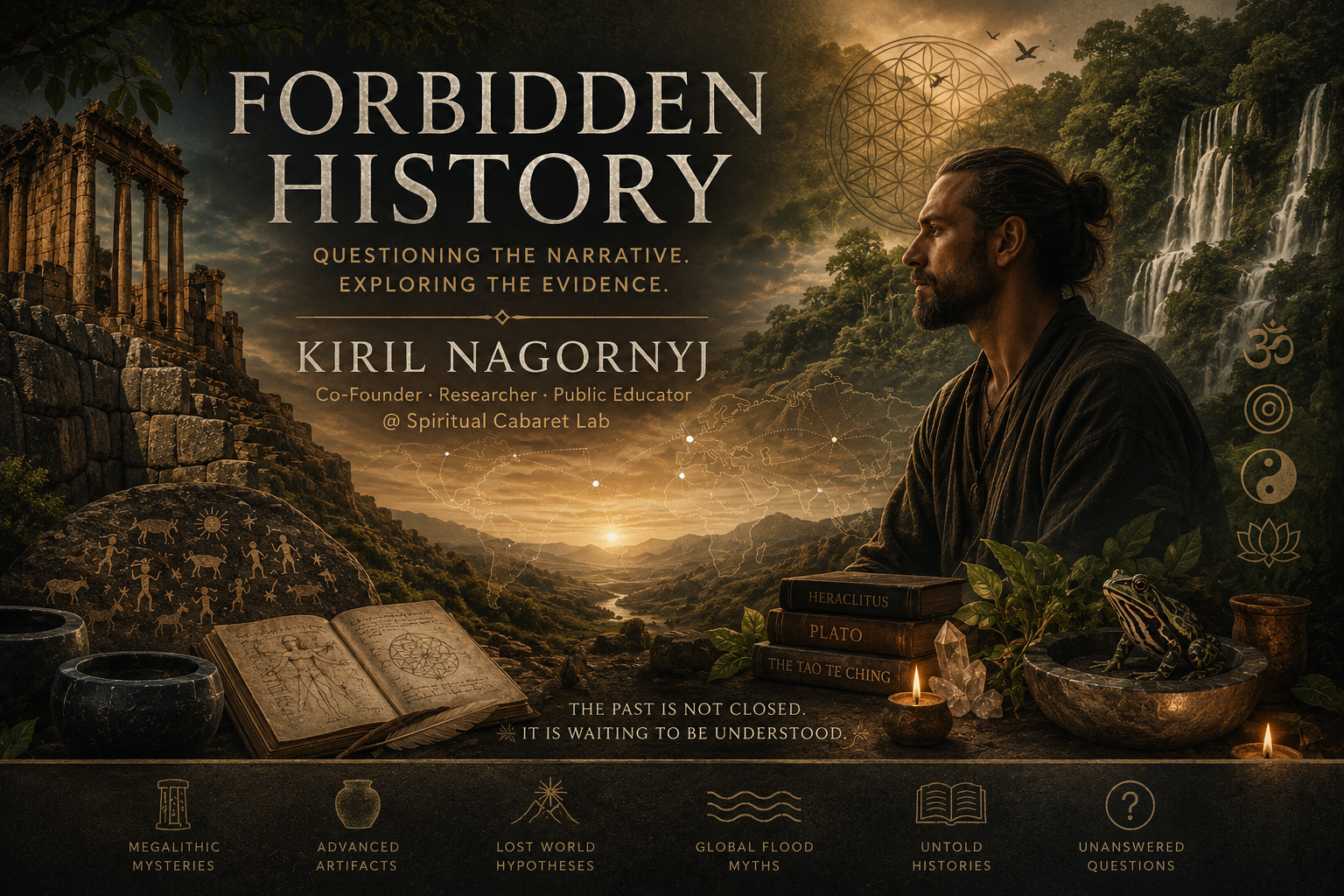
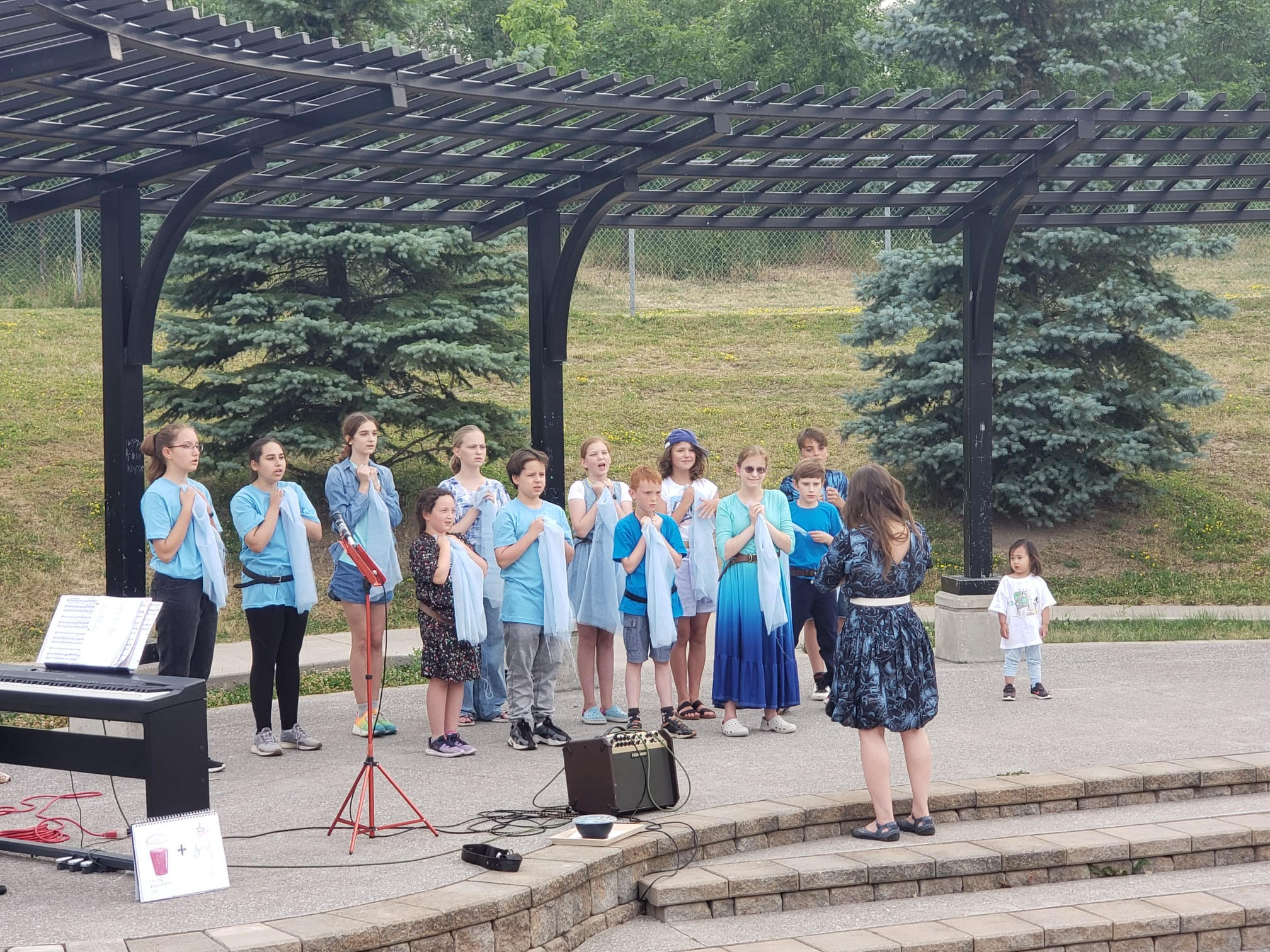
On February 26, 2026, I presented Forbidden History at Earl Bales Community Center in North York. The lecture explored one of the more uncomfortable questions in archaeology and historical research:
What happens when physical evidence no longer fits comfortably inside the accepted model of early civilization?
The lecture was not an attempt to rewrite history or promote conspiracy theories. It focused on a more careful question: are there archaeological, geological, and mythological patterns that current historical models still struggle to explain?
The Conventional Model
The presentation began with the standard scientific picture. The emergence of Homo sapiens, the long hunter-gatherer phase, the rise of agriculture, urbanization, organized religion, and eventually states and complex societies. This is the framework taught in textbooks and universities, and for good reason: it works for most of the evidence.
But not all of it.
Sites That Resist Easy Explanation
From there, we walked through a series of archaeological sites and artifacts that appear to sit uncomfortably within that linear narrative.
Göbekli Tepe. Monumental ritual architecture appearing thousands of years before the expected rise of agriculture and cities. The site forced a re-examination of what hunter-gatherers were capable of.
Baalbek. Megalithic stone platforms in Lebanon whose scale exceeds anything typically associated with Roman engineering. The largest quarried stone at the site weighs an estimated 1,650 tons. How it was moved remains an open question.
Sacsayhuamán and Ollantaytambo. Polygonal masonry in the Peruvian highlands where stones fit together with a precision that, by any measure, exceeds what the officially attributed technologies should have been able to produce.
The Osirion in Abydos. A structure whose architectural language differs so radically from surrounding dynastic Egypt that its dating and purpose remain contested.
Ancient Egyptian stone vessels. Mass-produced bowls and vases in extremely hard stone, displaying symmetry and internal precision that is genuinely difficult to replicate even with modern tools.
The Barabar caves in India. Granite interiors polished to a reflective finish, with a level of uniformity that suggests tolerances comparable to modern machining.
Each of these was presented not as proof of anything, but as an anomaly worth examining.
The Younger Dryas Hypothesis
The second part of the lecture shifted toward paleoclimate research and the Younger Dryas Boundary hypothesis, a proposed global disruption event around 12,900 years ago associated with abrupt climate change, widespread burning layers, and major ecological transitions.
The hypothesis remains controversial. But the evidence for some kind of significant event at that boundary continues to accumulate. When you put it next to the archaeological anomalies, the timing is at least interesting.
Myths as Data
We also explored one of the most striking cross-cultural patterns in human memory: the near-universal presence of myths describing catastrophic floods, destroyed worlds, and the rebirth of civilization.
The lecture did not claim that these myths are literal historical records, nor did it present the existence of a lost advanced civilization as established fact. The argument was methodological: when independent lines of evidence (archaeology, climate science, and mythology) repeatedly point toward the same period of disruption, that period deserves serious investigation rather than dismissal.
The Discussion
One of the most rewarding parts of the evening was the open discussion afterward. The audience brought thoughtful skepticism, alternative interpretations, and difficult questions. Exactly the kind of engagement this topic requires.
The goal of Forbidden History is not to replace science with speculation. It is to ask whether our current starting point for civilization might be incomplete.
Because history, perhaps, begins earlier than we are used to imagining.